Overloaded Power Points: What It Means and What to Do
A power point that trips, feels warm, or smells odd under load is telling you it's carrying more than it's built for. That's worth fixing properly, not just working around.
Call (02) 9134 9024 and describe what's plugged in where. That's often enough to point us at the fix before we've even arrived.
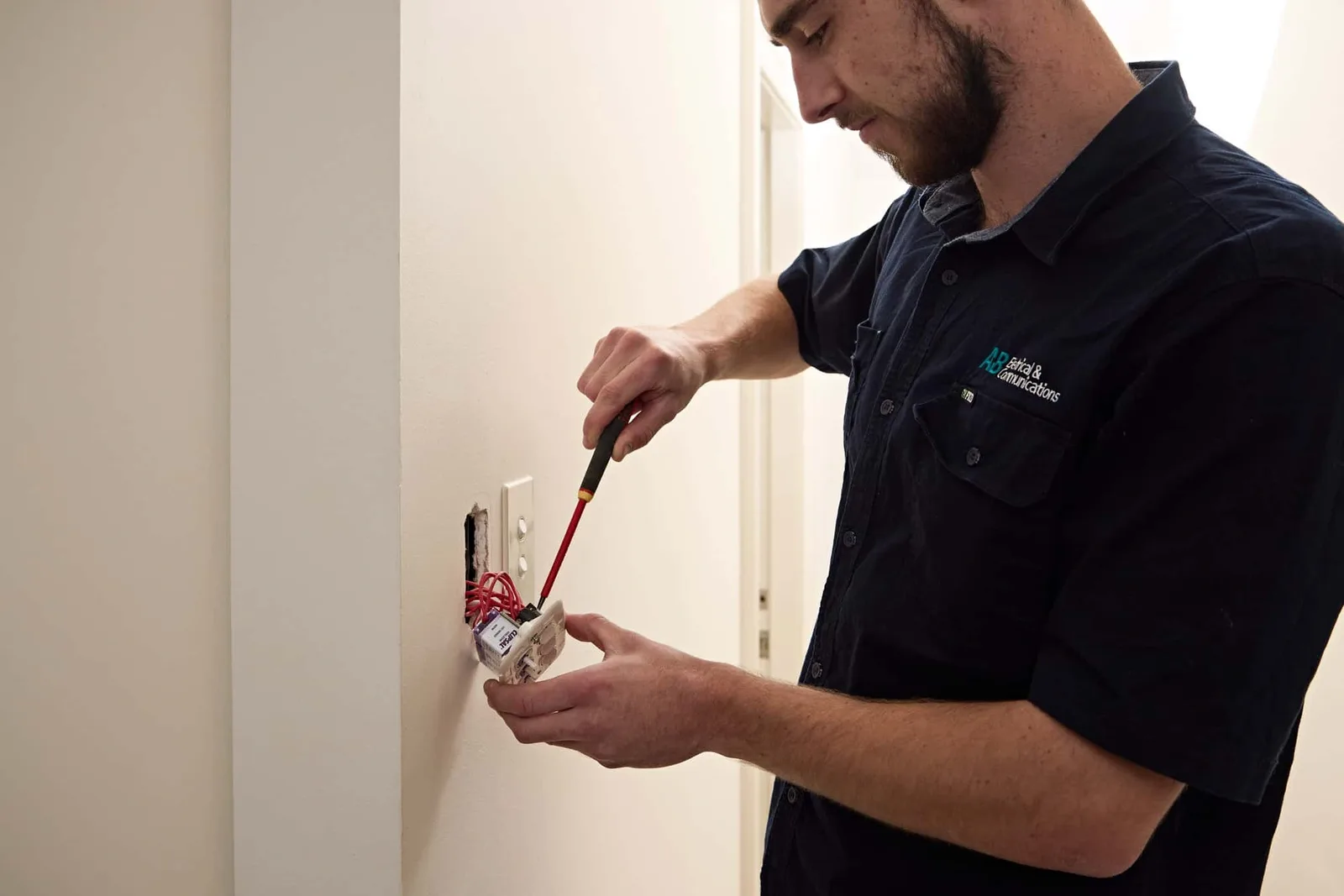
What an Overloaded Power Point Actually Means
Every circuit is rated to carry a certain amount of current safely. An overloaded point means whatever's plugged into that circuit, combined, is asking for more than it's rated to deliver.
That doesn't always mean one obvious culprit. Several smaller appliances running together, or one hungry appliance on its own, can all push a circuit past what it's rated for.
The symptoms show up as heat, tripping, or in worse cases, visible damage to the point itself.
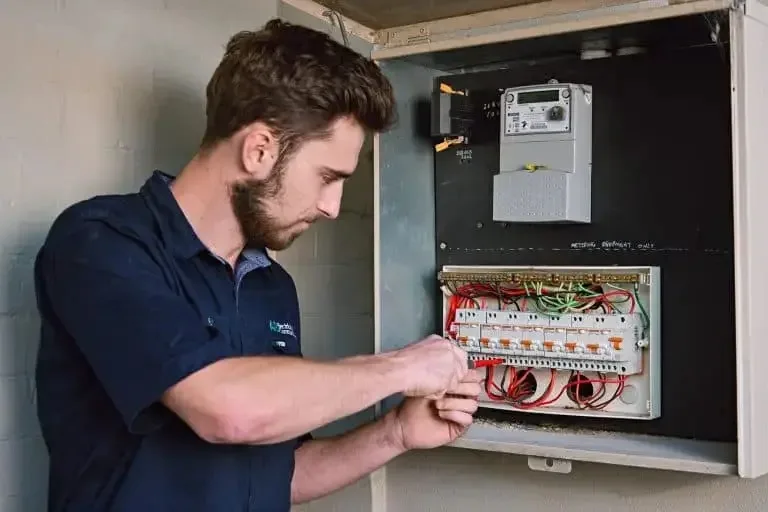
Is This Dangerous?
An overload that trips the circuit and stays off is doing exactly what it should, protecting the wiring from sustained heat.
A point that feels warm, smells odd, or shows any discolouration while still in use is a different matter and needs attention urgently. Left alone, that kind of heat is exactly how a fault turns into a house fire.
A circuit that trips occasionally under a specific heavy load, with no smell or damage, is lower urgency but still worth having checked soon.
What Usually Causes It
A short list of habits and circuit limitations explain most overloads.
- Too many appliances on one circuit, especially common in older homes with fewer circuits overall
- Power boards stacked on power boards, multiplying what one point is asked to carry
- A single high-draw appliance, like a heater or an old fridge, on an undersized circuit
- A circuit shared between rooms, where nobody realises how much is plugged in at once
- Ageing wiring, which handles less current safely than it did when new
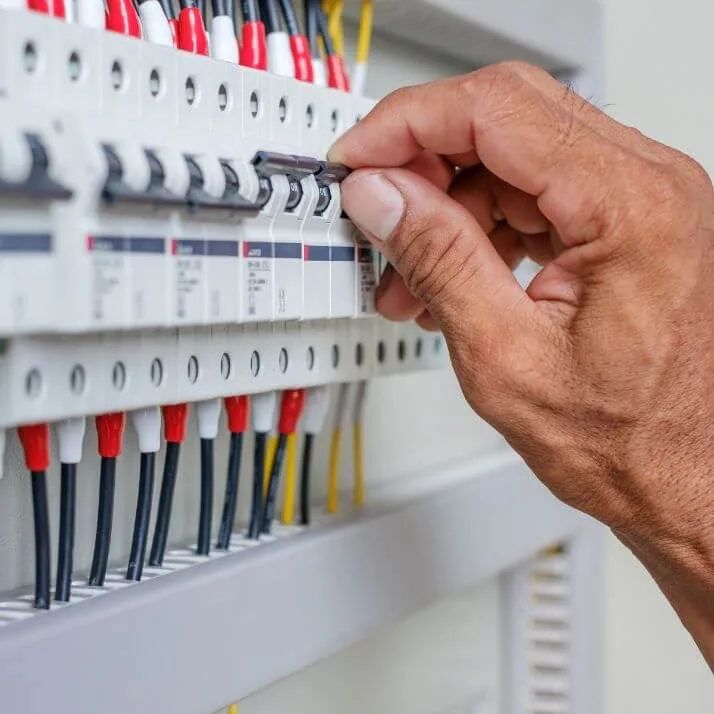
What To Do Right Now
- Unplug something if a point feels warm or trips. Reducing the load immediately is the safest first move.
- Spread appliances across different circuits if you can. A kettle and a heater on separate points is safer than both on one.
- Avoid stacking power boards. Daisy-chaining several together multiplies the load on a single point.
- Call us if it's a recurring issue. A circuit that overloads repeatedly needs a proper look, not another workaround.
How We Fix an Overloaded Circuit
We check the circuit's actual capacity against what's genuinely being asked of it, not just the point that's showing symptoms.
Where load simply needs spreading, that might mean adding a circuit or a point elsewhere in the room. Where the wiring itself is undersized for a modern household, that's a bigger but more lasting conversation, and we'll lay out the options rather than push the most expensive one.
Any work is completed to AS/NZS 3000, and notifiable repairs are certified once finished.
A Common Myth Worth Correcting
A lot of people assume a power board with its own switch and overload protection makes stacking boards safe. It doesn't.
The board's built-in protection only guards against a fault in the board itself, not the total current being drawn through the wall point behind it. Three boards deep, each with a handful of appliances running, can still push that one circuit well past a safe limit.
The safer approach is fewer things per circuit, not more protection stacked on top of the same overloaded point.
Preventing the Next Overload
A circuit that keeps overloading is telling you something about how the house is actually being used now, not how it was designed decades ago.
- Adding extra circuits or points where load has genuinely outgrown the original wiring
- Avoiding stacked power boards, one board per point at most
- Getting a proper assessment of which circuits carry the heaviest daily load
- An RCD safety switch, catching a developing fault before it turns into something worse
- A periodic switchboard review as household appliances and habits change over the years
Servicing Balmain and Nearby Suburbs
Overloaded points often sit alongside a circuit breaker tripping under the same load or a burnt outlet where the strain has already left visible damage. Where the fix needs a genuinely bigger board, switchboard upgrades is the page to read next.
We service Balmain and reach Rozelle, Lilyfield and Leichhardt on the same regular run.

Call Now About Your Overloaded Power Point
Point tripping, warm, or just carrying more than feels right? Call (02) 9134 9024 and we'll sort out where the load should go, often same or next day.
Common questions
Overloaded Power Point FAQs
Honest answers on overloaded circuits and power points.
Can I fix an overloaded power point myself?
No. Adjusting circuit load or replacing a point is a job for a licensed electrician, not a DIY fix.
Does insurance care about an overload that wasn't properly repaired?
It can. A repair without proper certification may not hold up if you ever need to make a claim, so we lodge one for any notifiable work.
Is an overloaded power point an emergency?
Only with active heat, a smell, or visible damage right now. Occasional tripping under a heavy load, with nothing else showing, is fine to book in as usual.
Is it the appliance or the point itself that's overloaded?
Often it's the circuit, not any one appliance or point. Too much plugged into the same circuit adds up, even if each individual thing seems harmless.
How much does it cost to fix an overloaded power point?
It depends on whether the fix is adding a circuit, splitting load, or replacing a damaged point. We look first, then give you a fixed price before anything starts, at no charge either way.
Should I turn off the mains if a point feels overloaded?
Not usually, just the circuit involved. If you can't tell which switch that is, flicking off the main is the simplest fallback.